

Effective logistics are the heart of an effective agricultural export strategy

I am at DAVOS this week, but I have just read our newspapers and want to comment on one matter: agricultural exports.
South Africa’s agriculture broadly had a good run in 2025, particularly at the production level for fruits, vegetables, grains, oilseeds, and sugarcane. It is mainly the livestock industry that has struggled with foot-and-mouth disease and continues to do so.
The large production also enabled the solid export activity. For example, the cumulative value of agricultural exports for the first three quarters of the year is US$11.7 billion, representing a 10% increase from the corresponding period in 2024. During this period, higher port efficiency supported export activity.
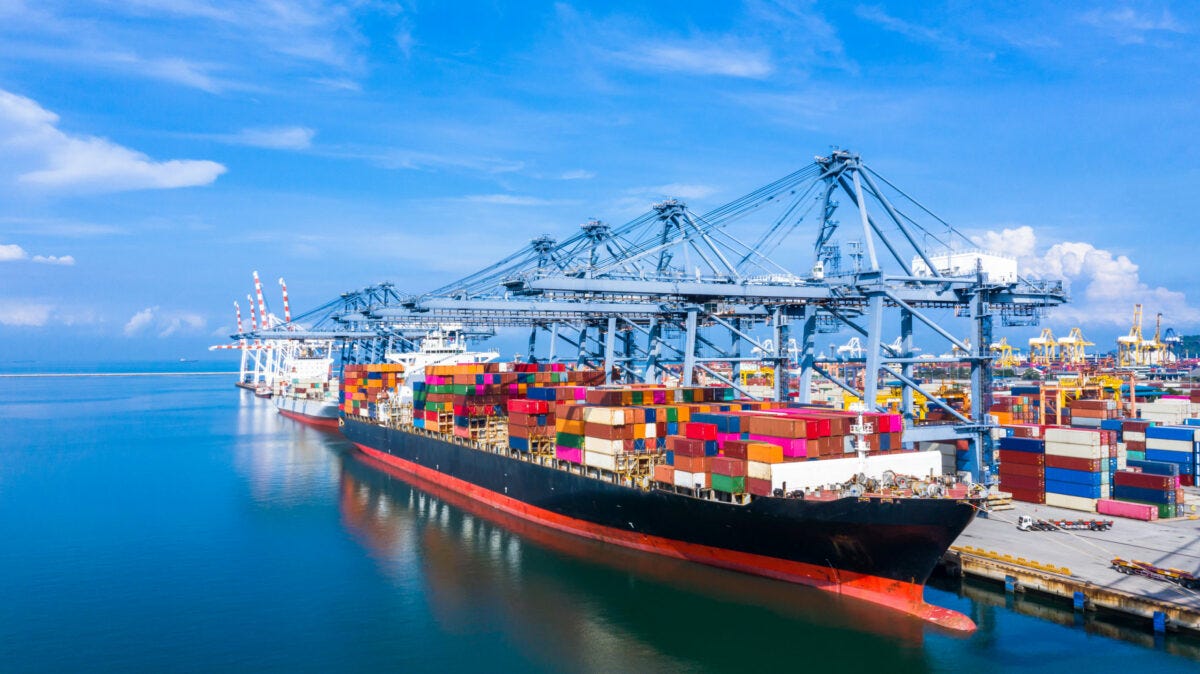
Thus, it was worrying this morning to see the front page of the Business Day highlighting the inefficiencies at the Port of Cape Town and the unfavourable weather conditions that have led to losses for the fruit industry, particularly Table Grapes and some stone fruits.
Indeed, in my interaction with the Table Grapes industry, this was an issue as early as December 2025 and continued throughout. This is a reminder that while the country has made some improvements in the network industries, complacency has no place. Our efforts on reform must continue.
We may not be in ideal circumstances, but let’s not let up: let’s keep pushing for better improvements. The fruit industry did its part by producing high-quality products, but it is Transnet that can help with the ports.
Effective collaboration with the private sector and clear communication at such a time are critical. South Africa’s agriculture is export-oriented, and it aims to continue growing its exports. The success of such an ambition depends on both effective logistics and opening new markets. This must be our central focus.