

The maize fields aren’t busy yet
South Africa’s maize harvest is running behind schedule, but the quality of the crop isn’t badly affected.

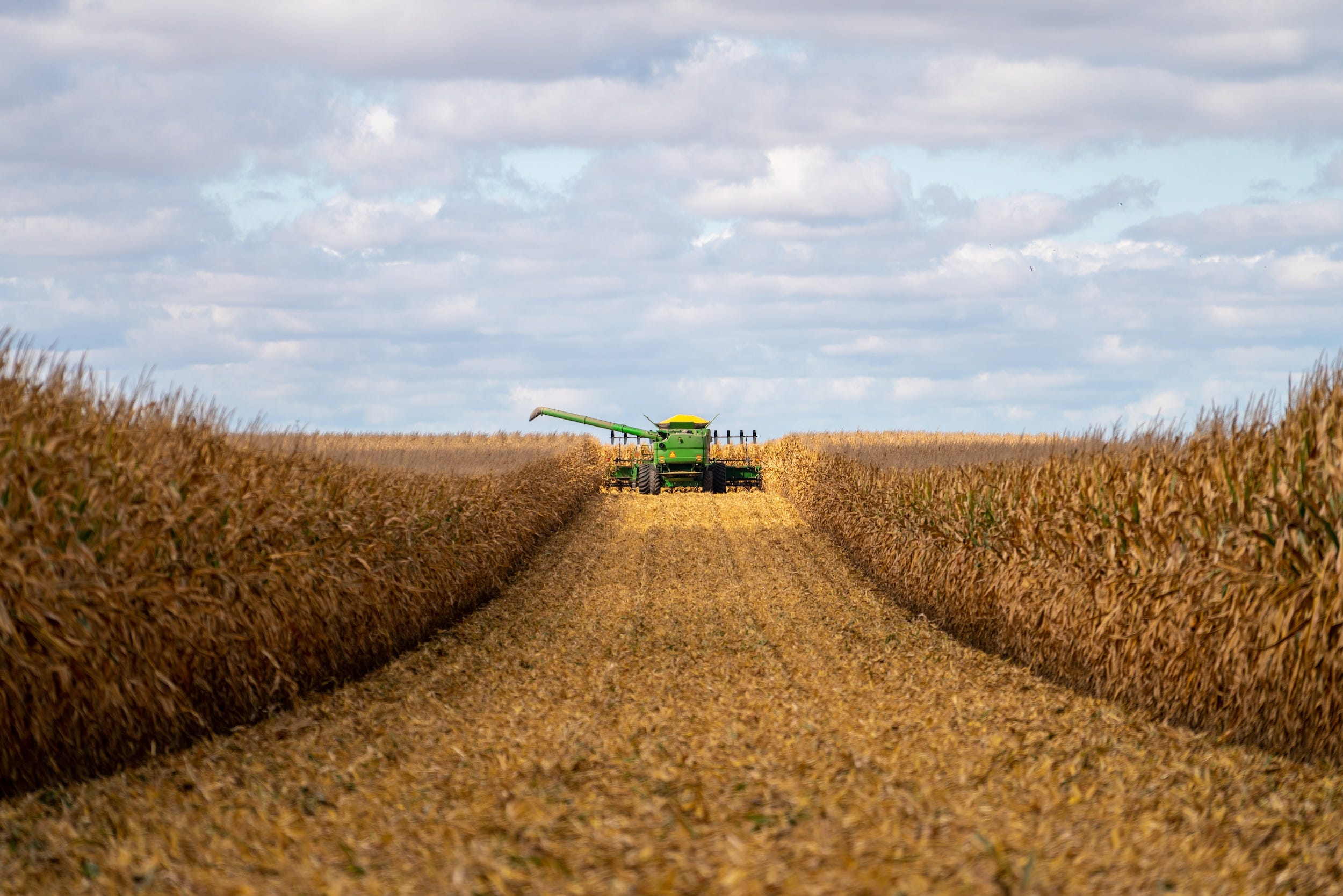
Close observers of South Africa’s agriculture are aware that, for some time, we have been writing about South Africa’s ample maize harvest. Maize is prominent in agricultural discussions not only as a staple grain but also as an indicator of field-crop conditions.
If we have an ample maize crop, it is usually fair to assume that other crops are also in good condition. For the 2025-26 season, the maize crop planted in October 2025, now coming into harvest, is set to reach a record 17.1 million tonnes. We see larger harvests of other grains, vegetable oils, fruits, and vegetables. The primary catalysts are the favourable La Niña rains and farmers’ determination to plant on a slightly larger area.
But the harvest of the 2025-26 maize crop is a bit delayed compared to the usual pace. In the week of 5 June 2026, farmers had delivered to commercial silos about 2.1 million tonnes of maize (white and yellow maize). This is 17% behind last year’s pace.
But remember, last year was generally behind the typical harvest time, partly due to the late start of the season; this year is even more delayed. It is June, but the maize harvest is not yet in full swing across the country. The main reason for the delayed harvest is the prolonged summer rains, which continued through to May 2026. In addition, there are various regions of the country where the maize planting season was also late by over a month. The reason for the late plantings in such areas was the excessive soil moisture earlier in the year.
Fortunately, with all these delays, the recent assessment suggests that South Africa is still in for an ample maize harvest. In my recent drive across the Free State and North West provinces, I also observed, from a distance, that in much of these provinces, the maize crop is looking favourable, and that aligned with what we had already heard from farmers and the Crop Estimates Committee, which provides the crop forecast for the country.
Importantly, the fact that the season is over a month late and the rains were far more prolonged than usual also doesn’t raise much concern for now about crop quality. Typically, in wet years, maize or crop quality is a challenge. But this year, we are not hearing much of that. In fact, of the 2.1 million tonnes of the expected 17.1 million tonnes that farmers have delivered to commercial silos, about 94% are first grade or excellent quality.
If the remaining major area yet to be harvested shows similar quality, then South Africa will be in a far better place than in the previous 2024-25 season, where, although we had an ample maize crop, there were quality challenges due to excessive moisture. The slightly poor quality, although it generally has minimal impact on the ultimate maize availability and food prices in the country, does weigh on farmers’ incomes, as they receive a slightly lower price for their products.
The fact that the quality is better so far is comforting, as farmers in South Africa are generally under pressure due to higher input costs resulting from the war in the Middle East, among other challenges. In fact, while we celebrate the major crop in the 2025-26 season, we are concerned about the upcoming 2026-27 season, which starts in October 2026. The one major challenge is higher input costs, and the anticipated El Niño drought.
We are seeing a transition from the La Niña weather phenomenon, which helped deliver the excellent harvest we are discussing, to a more worrying outlook for the next season.
Still, for now, South Africa is in a better position regarding crop supplies and the path of food price inflation. We will enjoy moderate food price inflation for the coming months. South Africa’s consumer food price inflation slowed to 2.8% in April 2026, down from 3.4% in March. This is the lowest level in 14 months. The benefit is not only in ample and affordable maize but also in other crops. Maize is just an indicator of the current 2025-26 season’s abundance.